
How to Prevent Downtime When Maintaining Large Valve Manifold Assemblies
Large valve manifold assemblies are critical infrastructure in hygienic processing environments. When they fail, production stops. Preventing downtime requires proactive planning, real-time visibility, and deep process knowledge.
Large valve manifold assemblies are critical infrastructure in hygienic processing environments, yet their maintenance often creates operational bottlenecks. Preventing downtime requires a systematic approach that combines proactive scheduling, real-time monitoring, and expert-level component knowledge.
This guide outlines proven strategies sanitary process facilities use to maintain complex manifold systems without interrupting production. Whether you're managing a pharmaceutical clean room or a high-volume dairy operation, these maintenance best practices will help you maximize uptime, extend equipment lifespan, and maintain regulatory compliance while minimizing total cost of ownership.
Understanding Large Valve Manifold Assemblies
A valve manifold assembly is an integrated fluid control system that consolidates multiple valves into a single framework, enabling precise routing, isolation, and safety functions across sanitary process lines. These assemblies serve as the control center for hygienic operations in food processing, beverage production, pharmaceutical manufacturing, and biotechnology facilities where contamination prevention and process efficiency are paramount.
In sanitary applications, manifolds streamline maintenance access by grouping valves in accessible configurations rather than scattering them throughout the process line. This centralization reduces the footprint required for valve clusters, simplifies cleaning protocols, and creates clear isolation points for system servicing.
Proper isolation valves limit shutdown scope, maintaining process stability elsewhere during maintenance activities and preventing cross-contamination between product streams and areas being serviced.
The complexity of large manifold assemblies demands specialized attention. A single manifold may integrate dozens of valves selected for a specific process purpose, with carefully matched actuation methods, seal materials, and control interfaces. Each component must maintain sanitary standards while withstanding thermal cycling, chemical exposure, and mechanical stress from frequent operation.
Understanding these interdependencies is the first step toward developing an effective maintenance strategy that prevents costly unplanned shutdowns. Learn more about why all valve manifolds are not created equally.
Implement a Preventive Maintenance Program
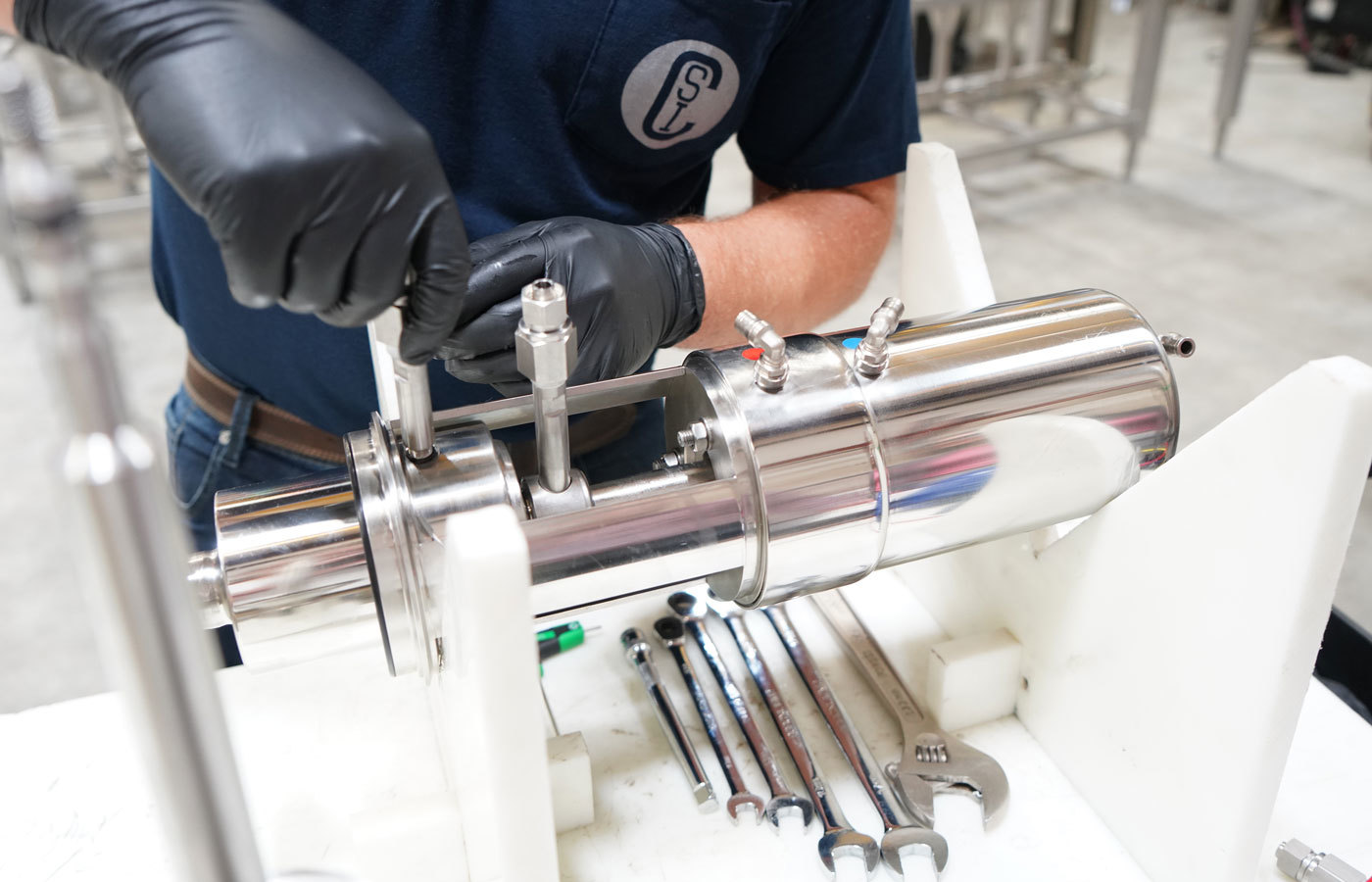
Preventive maintenance transforms reactive repair into predictable operational planning. Effective programs base maintenance intervals on actual usage patterns and operating environments rather than arbitrary calendar schedules. For example, a manifold handling aggressive cleaning chemicals may require more frequent seal inspections than one routing ambient-temperature water.
Similarly, valves cycling hundreds of times daily need different attention than those actuated weekly. Scheduled maintenance plans tailored to valve type and usage extend component life and reduce costs by addressing wear before it causes failure. Documenting maintenance activities creates an audit trail that supports compliance requirements and builds system-specific reliability data over time.
| Valve Type | Daily | Weekly | Monthly | Quarterly | Annual |
| Seat Valves | N/A | N/A | Visual external check | Sample inspection of installed base | Full rebuild |
| Diaphragm Valves | Visual check | Actuator cleaning | Diaphragm inspection | Seal replacement | Full rebuild |
| Ball Valves | Cycle test | Stem lubrication | Seat inspection | Adjustment | Disassembly/cleaning |
| Butterfly Valves | Position verification | Disc alignment | Seal review | Actuator calibration | Overhaul |
| Check Valves | Flow observation | N/A | Internal inspection | Spring tension test | Replacement evaluation |
Conduct Regular Visual Inspections
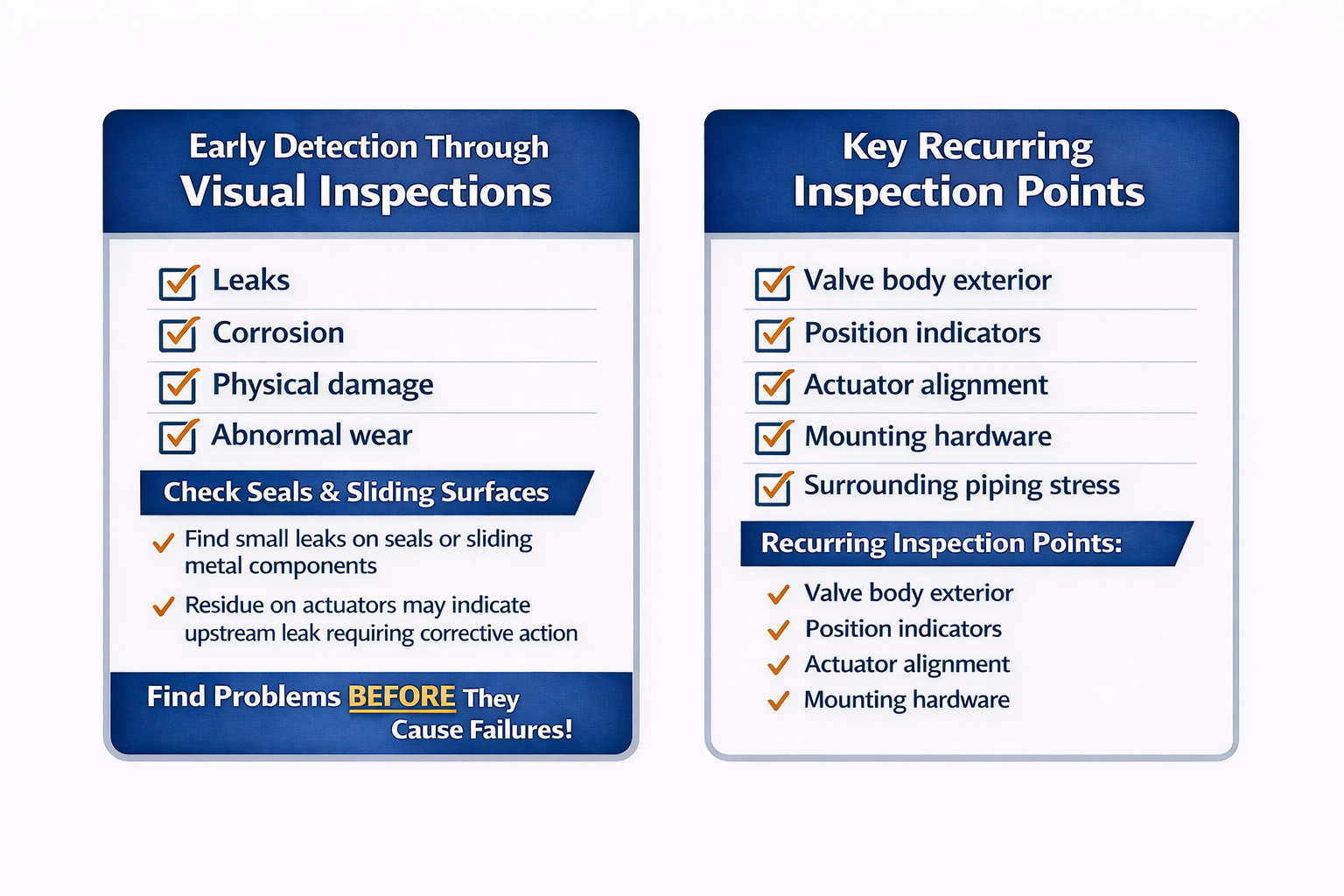
Frequent visual inspections catch small issues before they escalate into production-stopping failures. The inspection frequency should reflect system criticality and environmental conditions. During inspections, personnel should examine valve bodies, stems, actuators, and connection points for:
Leaks
Corrosion
Physical damage
Abnormal wear
Particular attention should be paid to seals and sliding metal surfaces, where small leaks often signal impending failure. Conducting visual inspections for wear, corrosion, or leaks—especially on seals and sliding metal components—identifies problems before they cause costly failures. Residue found on actuators during inspection may indicate upstream seal failure or leakage that requires corrective action—not routine cleaning.
Recurring inspection points include:
Valve body exterior
Position indicators
Actuator alignment
Mounting hardware
Surrounding piping stress
Exercise Valves to Maintain Functionality
Exercising valves means periodically cycling them through their full range of motion—fully opening and closing—to prevent internal buildup, maintain seal flexibility, and verify mechanical integrity.
Valves left in static positions for extended periods can develop compression set in seals, internal corrosion, or mechanical binding that affects performance when actuation is required.
A structured exercise program ensures a reliable response to control signals during both normal operations and emergency conditions. The frequency should reflect valve type, operating conditions, and system criticality.
During exercising, operators should document changes in time to open, resistance at specific positions, or unusual sounds. These observations provide early warning of seal degradation, stem corrosion, or internal obstruction. Establishing baseline performance when valves are installed creates a reference point for detecting gradual deterioration.
When possible, automated valves should be cycled during low-demand production periods to verify control communication and position feedback accuracy while minimizing operational impact.
Monitor Valve Performance with Real-Time Systems
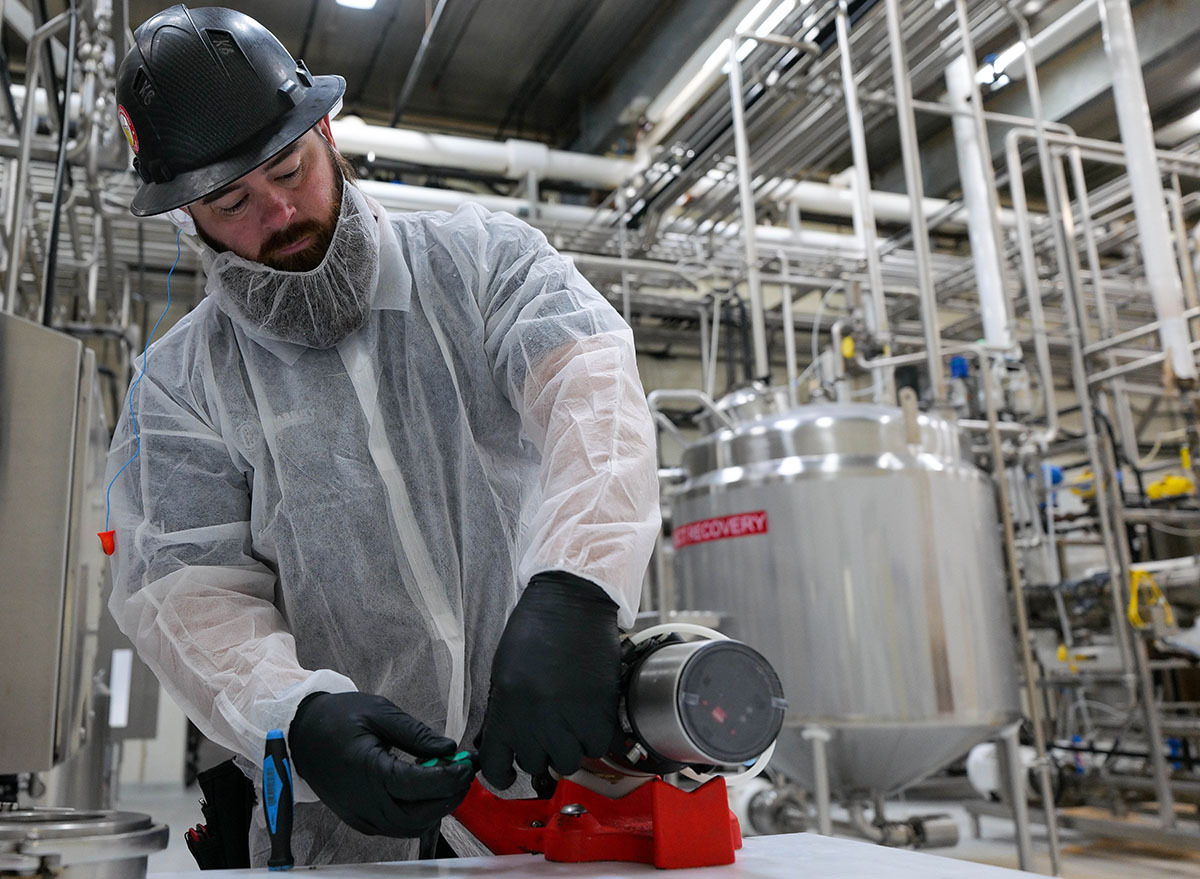
Real-time monitoring continuously tracks valve status parameters, including position accuracy, cycle counts, time-to-open metrics, and actuator health using sensors and digital communication systems. This approach shifts maintenance from calendar-based intervals to condition-based decision-making grounded in actual operating data.
Real-time valve monitoring solutions track time to open, speed, and cycle counts to establish performance baselines and detect deviations that indicate developing issues. A gradual increase in time to open may signal stem corrosion or seal degradation, while erratic position feedback may indicate electrical or mechanical actuator concerns. Identifying these trends allows maintenance teams to plan service during scheduled downtime rather than reacting to unexpected failures.
Flow meters and pressure sensors provide additional visibility into system health. Flow meters can detect internal leakage in isolation valves before it becomes externally visible, while upstream and downstream pressure measurements help identify seat wear or improper positioning. Temperature sensors highlight thermal cycling conditions that accelerate seal aging.
Modern monitoring systems integrate with plant automation platforms, enabling prioritized alerts and streamlined work order generation. Historical trend analysis supports better component selection, operating parameter optimization, and maintenance interval refinement.
Investing in monitoring infrastructure reduces emergency maintenance events, extends component life, and improves production reliability.
Use High-Quality Certified Components
Component quality directly impacts manifold reliability and maintenance intervals. Using certified spare parts that match valve specifications preserves design integrity and validated performance. Substituting non-certified components introduces material incompatibilities or dimensional variation that can compromise system function.
OEM-compatible parts are tested for specific valve designs and operating conditions. Seals must withstand chemical exposure, temperature ranges, and mechanical stress inherent in the application. Actuator components require precise tolerances to maintain position accuracy and force transfer.
Material compatibility is especially critical in sanitary environments governed by FDA, USDA, and cGMP requirements. Elastomers must resist sanitizing chemicals without degrading or posing a contamination risk. Metal components require appropriate surface finishes to prevent bacterial harboring and withstand aggressive cleaning protocols.
After expansions or upgrades, verify compatibility across pressure ratings, temperature limits, and sanitary certifications to avoid introducing system weak points. Even minor hardware details—such as stainless steel grade selection—can influence corrosion resistance and long-term durability.
Working with qualified suppliers who understand hygienic processing ensures proper documentation, traceability, and technical guidance that protects uptime. Explore our valve systems and mixproof valves for certified solutions.
Train Personnel on Proper Maintenance Procedures
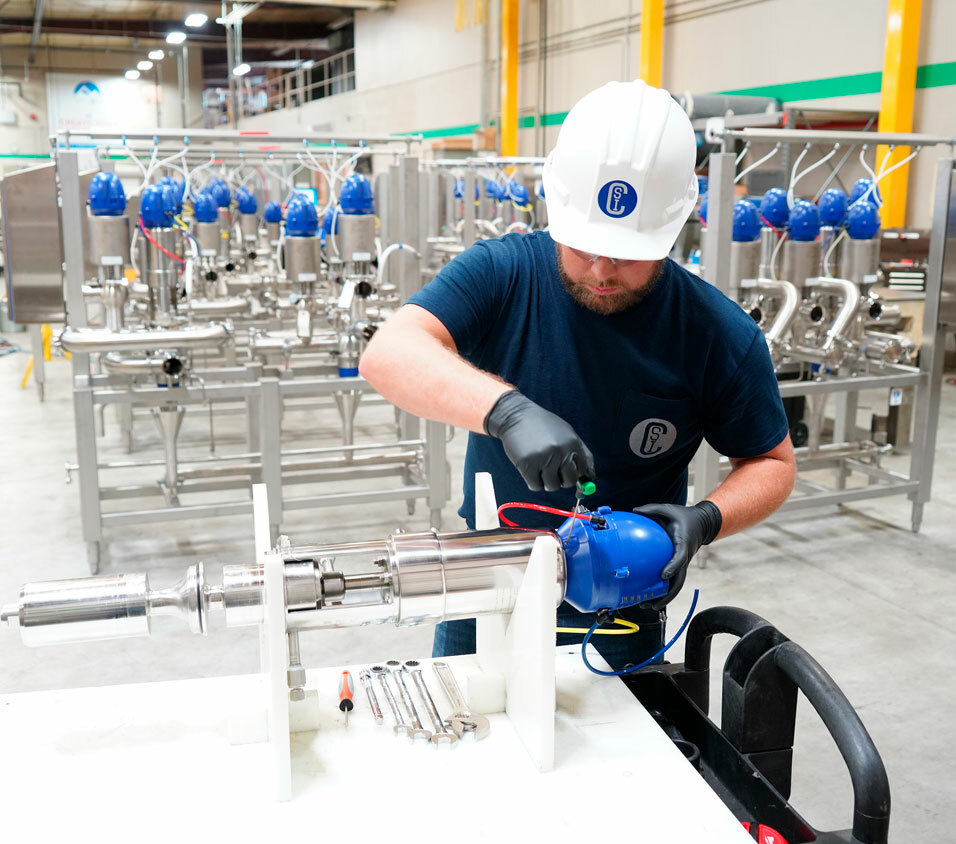
Trained maintenance personnel turn preventive strategies into measurable reliability gains. Technical knowledge of valve design, actuation methods, and sanitary requirements enables technicians to recognize abnormal conditions and make informed decisions during inspections and repairs.
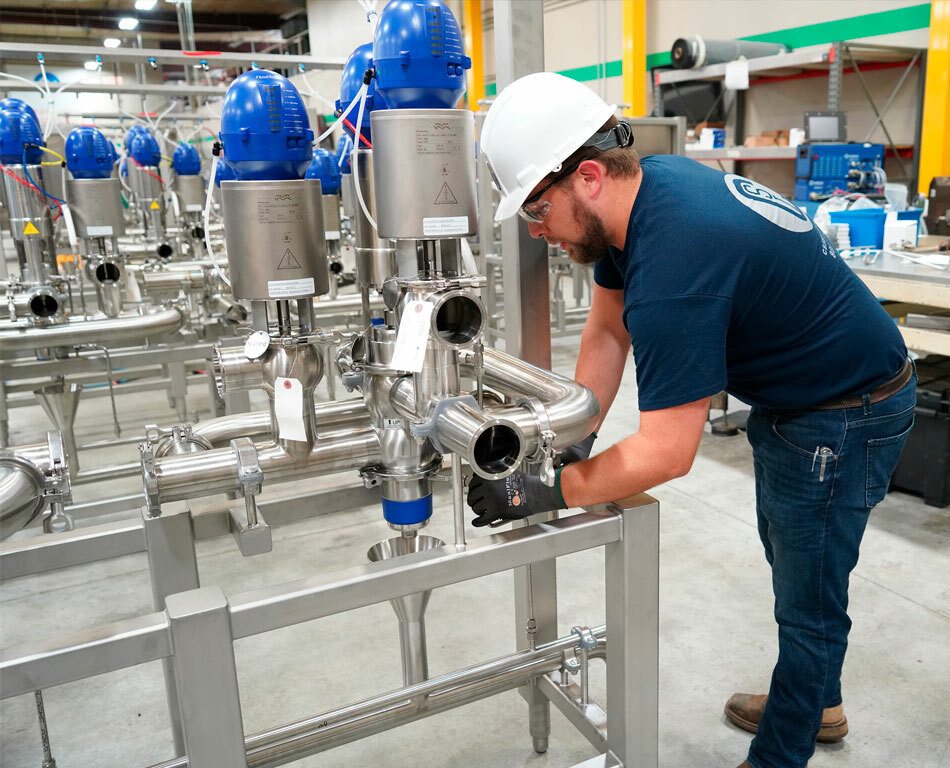
Training programs should focus on the specific manifold configurations, control systems, and process requirements installed in the facility. Foundational valve knowledge is important, but system-specific instruction ensures that technicians understand how components interact and when to escalate to engineering support.
Lockout/tagout (LOTO) procedures are mandatory training elements. Valve manifolds may contain hazardous materials, elevated pressures, and high temperatures. An apparent shutdown does not guarantee safe working conditions—residual pressure, trapped fluids, or unintended actuation can pose serious risks if proper isolation is not verified.
Diagnostic training improves troubleshooting efficiency and reduces unnecessary component replacement. Interpreting monitoring data, performing targeted flow or pressure checks, and isolating failure causes systematically shortens mean time to repair.
Hands-on training using actual equipment builds competence faster than classroom instruction alone. Refresher sessions reinforce procedures, address new equipment, and maintain compliance documentation.
Cross-training ensures critical maintenance tasks can be performed without dependency on a single individual, protecting production continuity. Facilities in the brewery industry and other sectors benefit from well-trained teams familiar with their specific valve configurations.
Store Valves Correctly to Avoid Contamination
Proper valve storage protects component integrity and preserves sanitary compliance before installation. Valves should be stored in clean, dry, and temperature-controlled environments to prevent contamination and corrosion that compromise performance before startup.
Storage conditions directly affect elastomer seals and diaphragms. Exposure to temperature extremes, UV light, ozone, or incompatible vapors accelerates degradation. Components should remain in their original packaging or protective covers until installation, and be stored at stable temperatures to minimize material aging.
Valve storage best practices include:
• Position valves to prevent stress on stems, actuators, or flanges
• Keep protective caps on inlet and outlet ports
• Store valves in partially open positions to prevent compression set
• Maintain organized, clearly labeled inventory with rotation procedures
• Protect surfaces from dust, debris, and mechanical damage
• Document storage dates to support first-in-first-out usage
Facilities maintaining spare inventory should periodically inspect stored valves for corrosion, seal condition, and actuator readiness. Verifying the condition before emergency deployment prevents avoidable startup delays.
In humid or contaminant-prone environments, climate-controlled storage reduces condensation risk and protects sanitary surfaces. Proper storage safeguards capital investment and ensures replacement components perform as intended. View our valve manifolds photo gallery to see examples of properly configured systems.
Reduce Downtime Before It Happens
Unplanned manifold failures are costly and preventable. Our team evaluates your system, recommends certified components, and builds a maintenance strategy aligned with your operating conditions.
Talk with a CSI valve specialist today.ABOUT CSI
Central States Industrial Equipment (CSI) is a leader in distribution of hygienic pipe, valves, fittings, pumps, heat exchangers, and MRO supplies for hygienic industrial processors, with four distribution facilities across the U.S. CSI also provides detail design and execution for hygienic process systems in the food, dairy, beverage, pharmaceutical, biotechnology, and personal care industries. Specializing in process piping, system start-ups, and cleaning systems, CSI leverages technology, intellectual property, and industry expertise to deliver solutions to processing problems. More information can be found at www.csidesigns.com.