
A Contractor’s Guide to Sealing Pipe Penetrations in Hygienic Facilities
Why Pipe Penetrations Cause Problems on the Jobsite
Pipe penetrations are one of the most common sources of failed inspections and rework in hygienic construction.
Gaps, inconsistent sealing methods, and poor material selection lead to:
- Inspection failures
- Moisture intrusion
- Air leakage between rooms
- Sanitation issues in washdown environments
- Punch list delays and callbacks
Most of these issues aren't complex; they're the result of using sealing methods that weren't designed for hygienic environments in the first place.
Why Standard Sealing Methods Fall Short in Hygienic Construction
Pipe penetrations are often treated as a basic construction detail, but in hygienic environments, that approach creates risk.
Typical installation methods may address general sealing needs, but they are not designed to support:
- Cleanability in washdown environments
- Long-term moisture control
- Consistent, gap-free sealing around piping
As a result, penetrations that appear complete at install can still lead to sanitation issues, failed inspections, and rework after turnover.
Conditions like washdown exposure, temperature changes, and system vibration can quickly expose gaps or weaknesses in the seal, turning a finished install into a punch list item.
Hygienic sealing solutions are designed to eliminate these issues from the start, creating a tight, cleanable seal that holds up under real operating conditions.
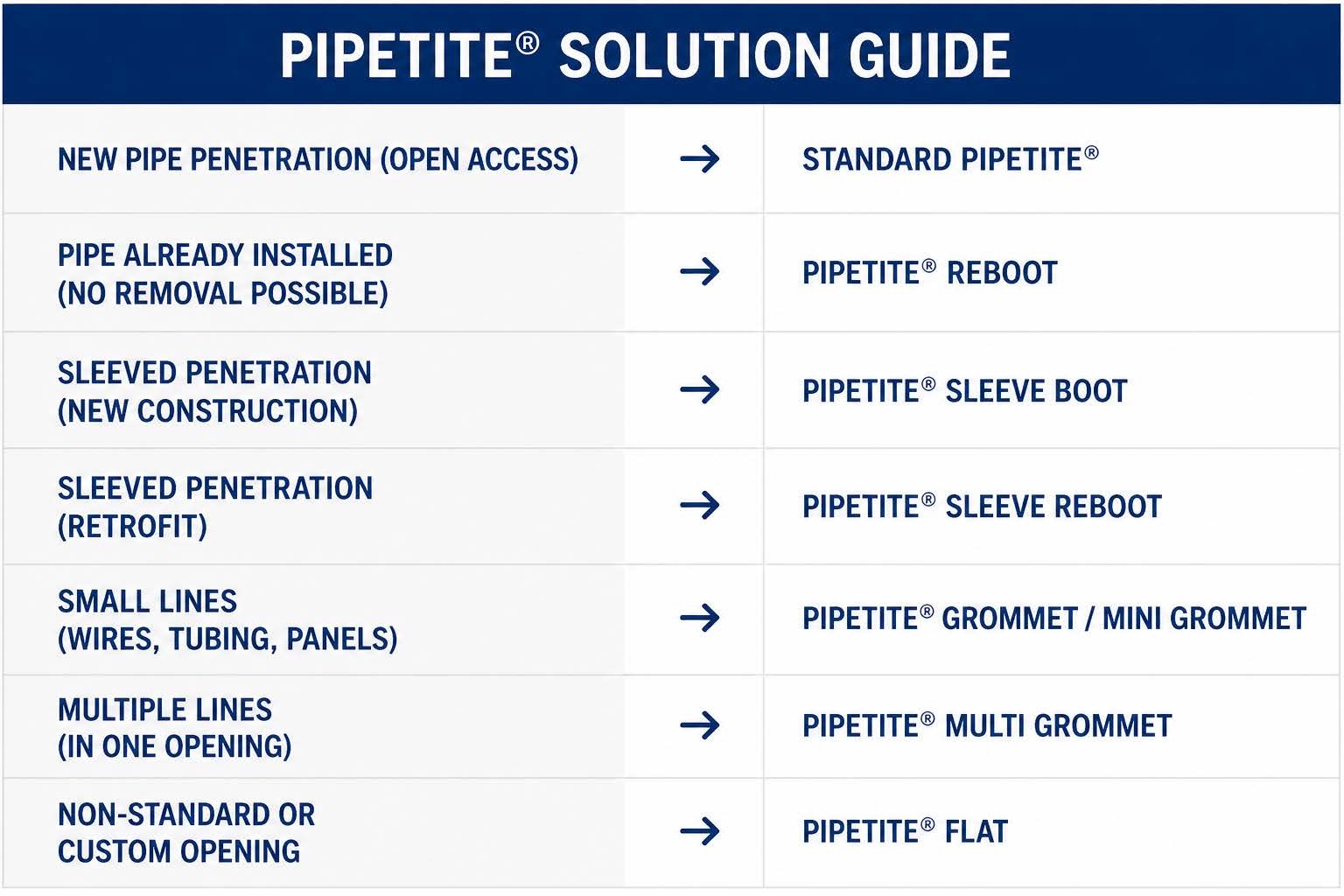
Quick Jobsite Decision Guide
Use this as a fast reference based on what you’re walking into on site:
- New pipe penetration (open access) → Standard Pipetite®
- Pipe already installed (no removal possible) → Pipetite® ReBoot
- Sleeved penetration (new construction) → Pipetite® Sleeve Boot
- Sleeved penetration (retrofit) → Pipetite® Sleeve ReBoot
- Small lines (wires, tubing, panels) → Pipetite® Grommet / Mini Grommet
- Multiple lines in one opening → Pipetite® Multi Grommet
- Non-standard or custom opening → Pipetite® Flat
Why This Matters on the Jobsite
Most penetration failures don’t come from complexity—they come from using the wrong solution for the condition.
Matching the right Pipetite® configuration to the install scenario:
- Eliminates guesswork in the field
- Reduces punch list items and rework
- Speeds up installation and inspection
- Creates consistent, hygienic seals across the project
Why Flexible Sealing Matters in Hygienic Piping Systems
What makes Pipetite® effective in real-world installations isn’t just fit—it’s flexibility.
Piping systems are not static. Even after installation, they are constantly moving:
- Heat → expansion
- Cooling → contraction
- Pumps → vibration
- Building structure → slight shifting
Rigid sealing methods don’t accommodate this movement. They may look sealed on day one, but they don’t hold under operating conditions.
How Pipetite® Is Installed in the Field
One reason Pipetite® has become widely adopted in hygienic construction is installation speed and simplicity.
In most field applications, contractors attach Pipetite® using stainless self-tapping screws. These are easy to source, fast to install, and allow crews to complete penetrations quickly without specialized hardware.
Most standard installations can be completed in about one minute.
Compared to traditional stainless escutcheons, Pipetite® stays securely in place during operation and washdown conditions, rather than relying on friction fit or temporary positioning methods.
As a result, Pipetite® has become a preferred solution for many contractors working in hygienic environments.
Why Proper Cutting Matters During Installation
Clean installation matters in hygienic environments.
One of the most common field mistakes is cutting Pipetite® with pocket knives or improvised tools rather than using a proper cutting tool. Uneven cuts can create gaps around the pipe, reducing seal effectiveness and creating an inconsistent appearance.
Using the proper cut line and installation tool helps ensure:
- A clean, professional finish
- Proper compression around the pipe
- Reduced gaps and moisture intrusion
- More consistent inspection outcomes
CSI recommends using the Pipetite® PTC-1 cutting tool to create clean, accurate cuts during installation.
What Happens When Movement Isn’t Accounted For
When seals can’t flex with the system, problems show up fast:
- Seals crack or pull away from the pipe
- Gaps reopen after installation
- Water is forced into penetrations during washdown
- Installations that passed inspection become punch list items later
- The Advantage of Pipetite®
Pipetite® is designed to move with the system—not fight against it.
Its flexible cone design expands and contracts with the pipe, maintaining a tight, hygienic seal even as conditions change. This is what allows installations to stay sealed long after turnover, not just at the time of inspection.
Choosing the Right Pipetite®
Instead of relying on sealants and field-built solutions, contractors can standardize installations using pre-engineered Pipetite® sealing systems.
The key is selecting the right product based on the installation conditions.
The Most Common Failure Points
Field issues consistently trace back to a few key problems:
- Open annular spaces around piping
- Improper sleeve-to-pipe sealing
- Inconsistent materials across penetrations
- Poor sealing in retrofit conditions
- Difficult installs around existing piping
These are exactly the conditions that slow down closeout.

Why Contractors Have Moved Away from Traditional Escutcheons
Traditional stainless escutcheons are still found on older installations, but they are far less common on modern hygienic projects.
Unlike flexible hygienic seals, escutcheons are rigid components that typically slide over the pipe and rely on friction fit, tack methods, or sealant to remain in place.
In active processing environments, this creates several challenges:
- Movement can reopen gaps around the pipe
- Washdown conditions can expose sealing weaknesses
- Installations may shift over time
- Appearance becomes inconsistent across the facility
Pipetite® was developed to solve these issues with a flexible sealing design that stays secure under real operating conditions.
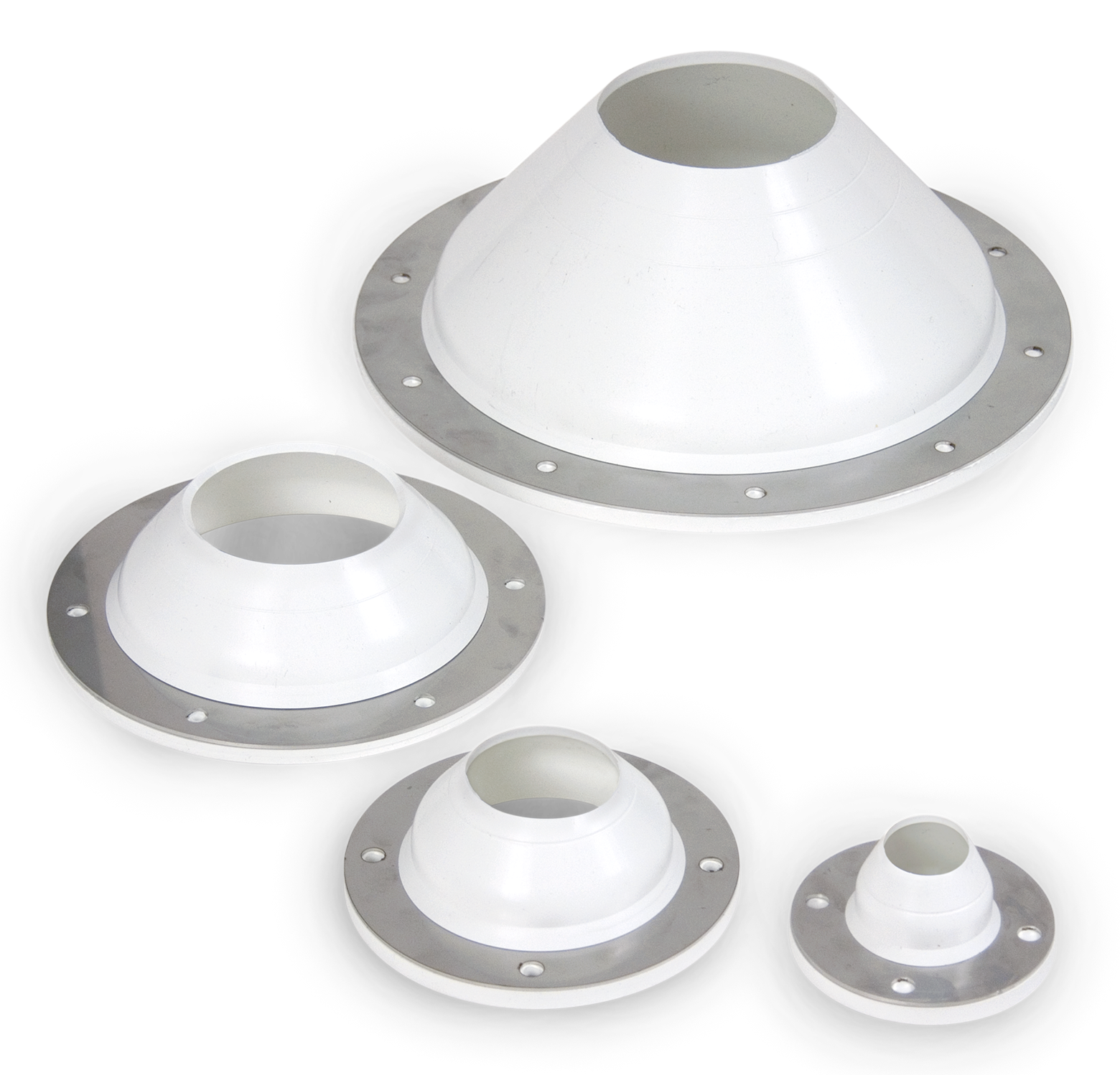
Standard Pipetite®
Best for:
- New pipe penetrations in walls, floors, or ceilings
- Straightforward installations with access before or during install
Why it works:
- Flexible cone design forms a tight seal around the pipe
- Typical installations can be completed in about one minute
- Commonly installed using stainless self-tapping screws
- Creates a clean, consistent finish across penetrations
- Use as your default solution for new penetrations
Watch the how to install Pipetite® Standard video for step-by-step guidance.
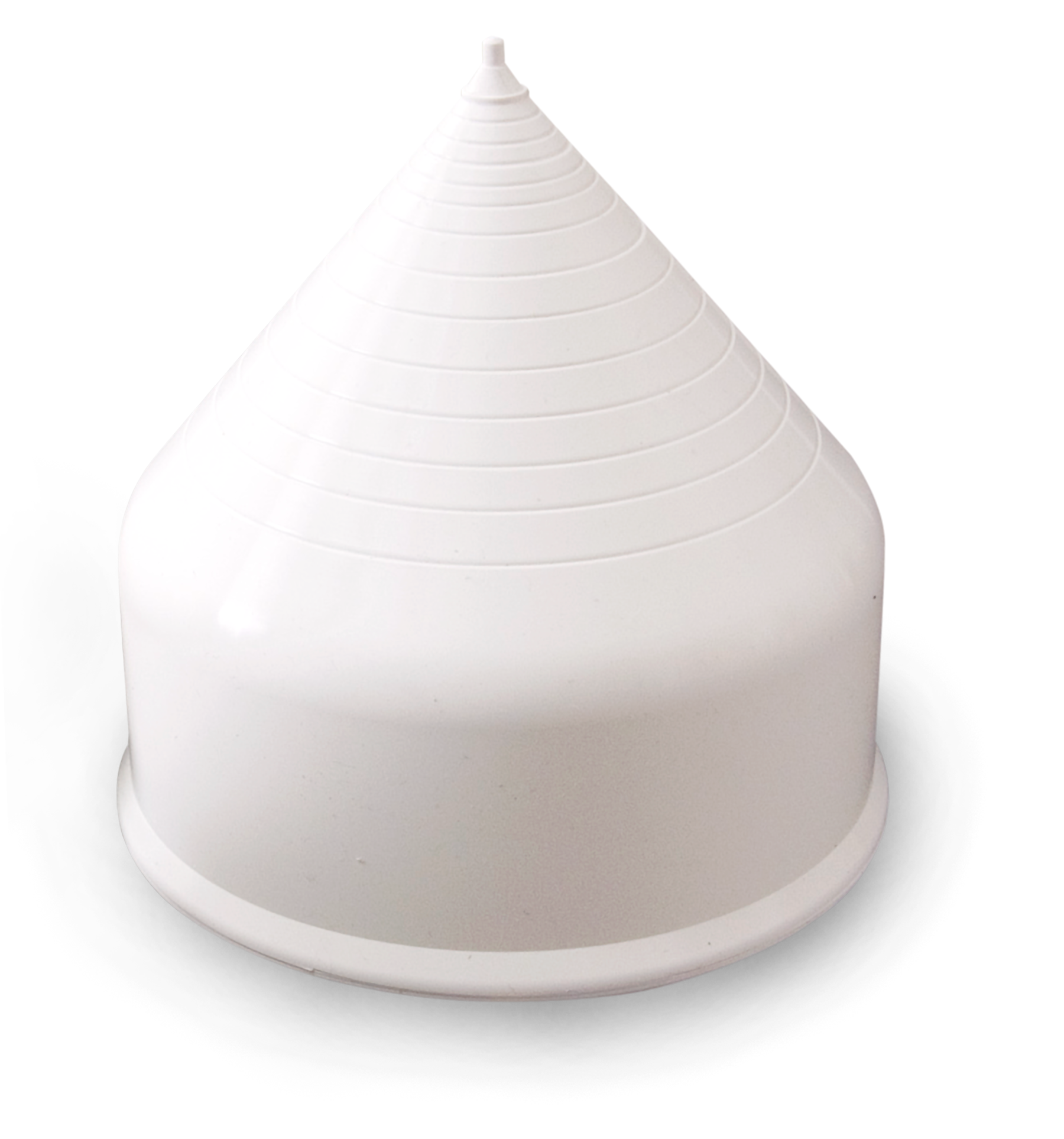
Pipetite® Sleeve Boot
Best for:
- Sleeved penetrations
- Projects where sleeves are part of the design
Why it works:
- Designed specifically for sleeve-to-pipe transitions
- Creates a tighter, more controlled seal than sealant alone
- Improves consistency across multiple installations
- Use for new construction with sleeves.
Explore the Pipetite® Sleeve Boot for sleeved penetration applications.
Pipetite® Sleeve ReBoot
Best for:
- Existing sleeved penetrations
- Retrofit work where both sleeve and pipe are already installed
Why it works:
- Combines retrofit flexibility with sleeve compatibility
- Allows sealing without removing piping or sleeves
Use for retrofit conditions with sleeved penetrations.
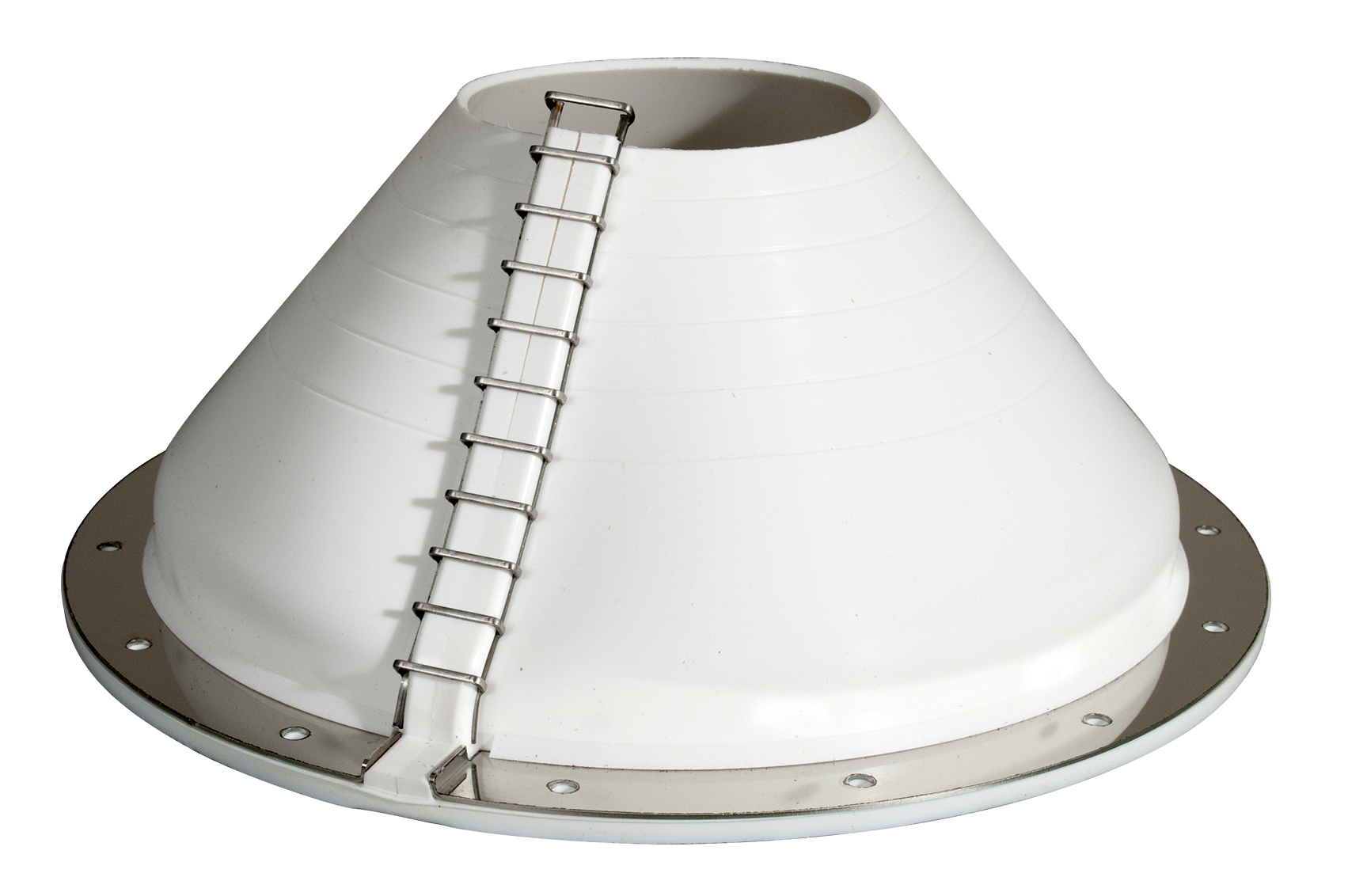
Pipetite® ReBoot
Best for:
- Retrofit applications
- Existing piping that cannot be removed
Why it works:
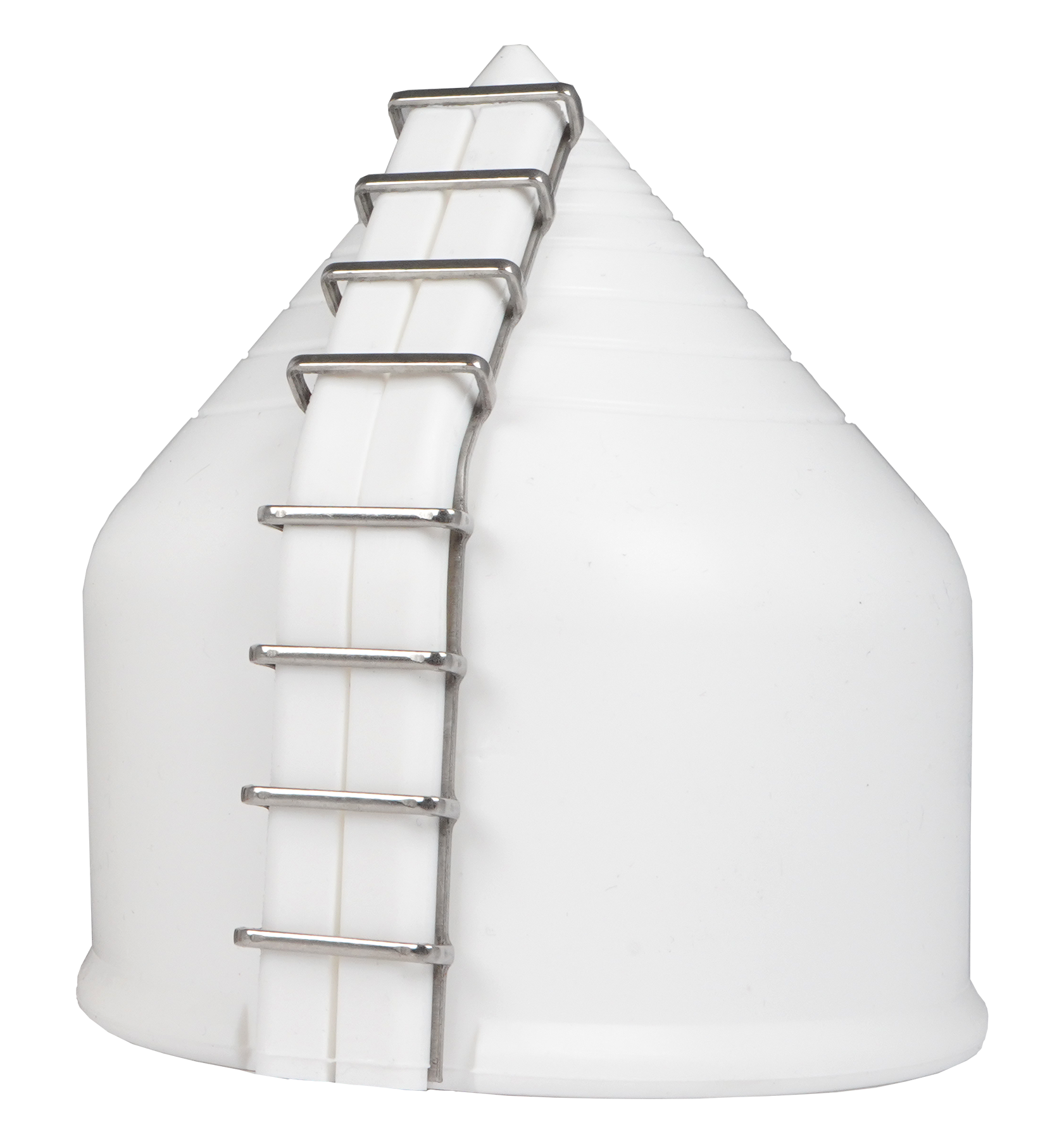
- Split design wraps around installed pipe
- Eliminates the need to disassemble piping systems
- Ideal for correcting failed or missing seals
Use when you need to fix penetrations without tearing apart the system
Learn more about Pipetite® ReBoot for retrofit conditions.
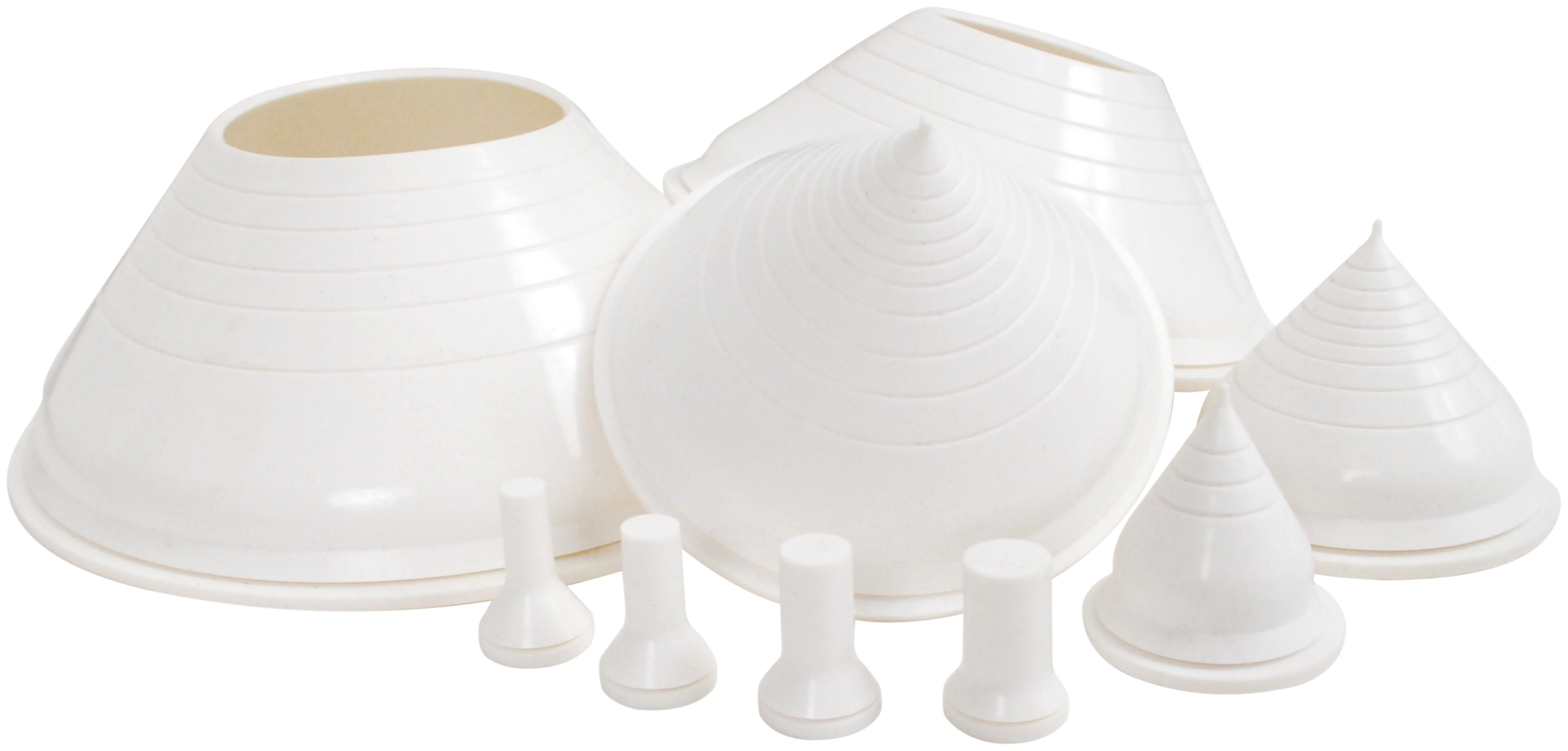
Pipetite® Grommet & Mini Grommet
Best for:
- Wires and small tubing
- Electrical panels, cabinets, and enclosures
Why it works:
- Creates a watertight seal around wires and tubing
- Flexible lip seal allows fast, simple installation
- Ideal for electrical contractors working on hygienic systems
Mini Grommets are NEMA rated (Type 4, 4X, and 6), making them suitable for sealed enclosures. Use for small penetrations and enclosure entries.
View the full Pipetite® Grommet product line.
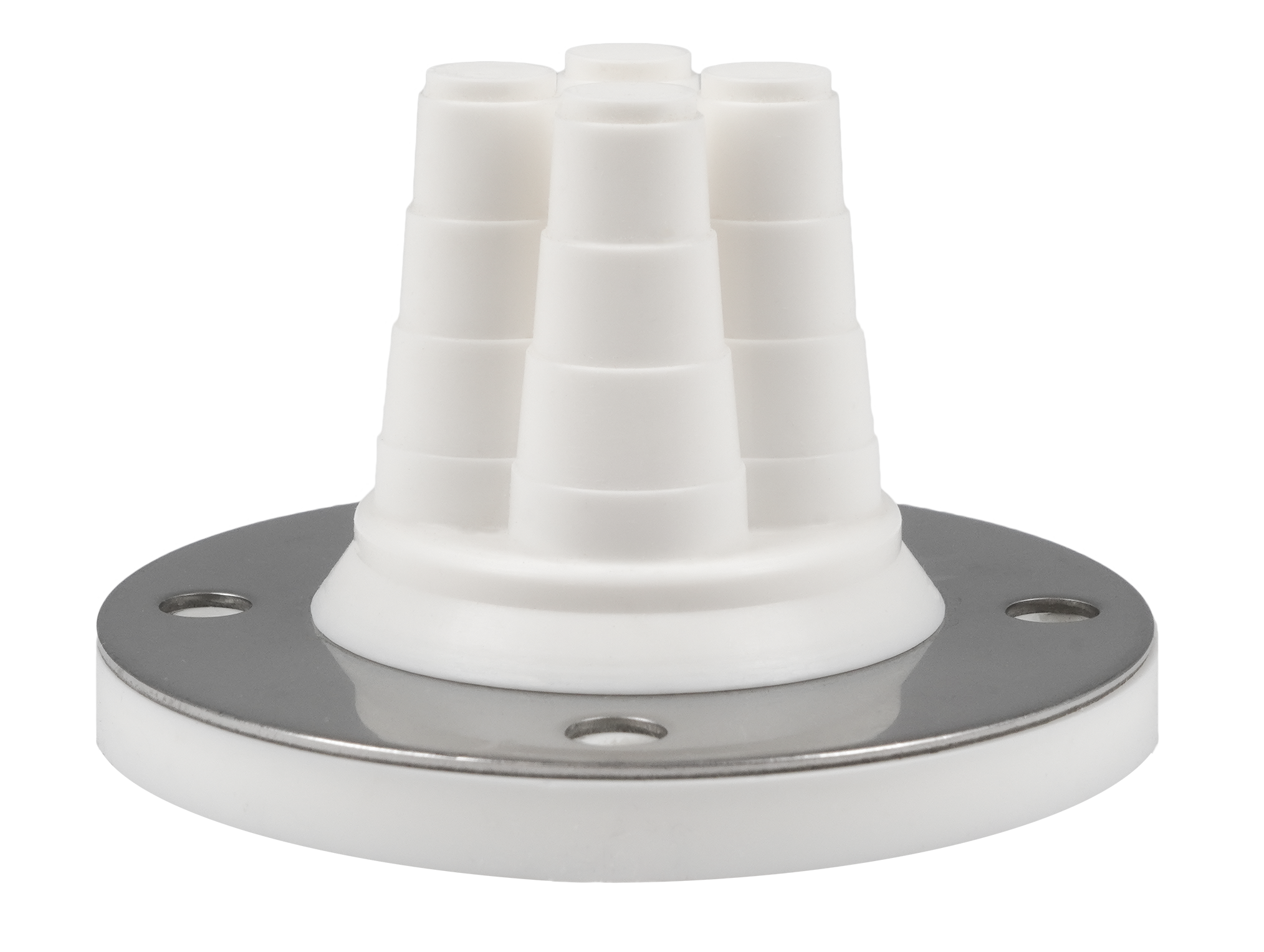
Pipetite® Multi Grommet
Best for:
- Multiple wires or tubes in one opening
- Electrical and IT applications
Why it works:
- Each prong fits multiple sizes for flexibility
- Provides a hygienic, watertight seal across grouped lines
- Reduces the need for improvised sealing methods
Use when multiple lines share a single penetration.
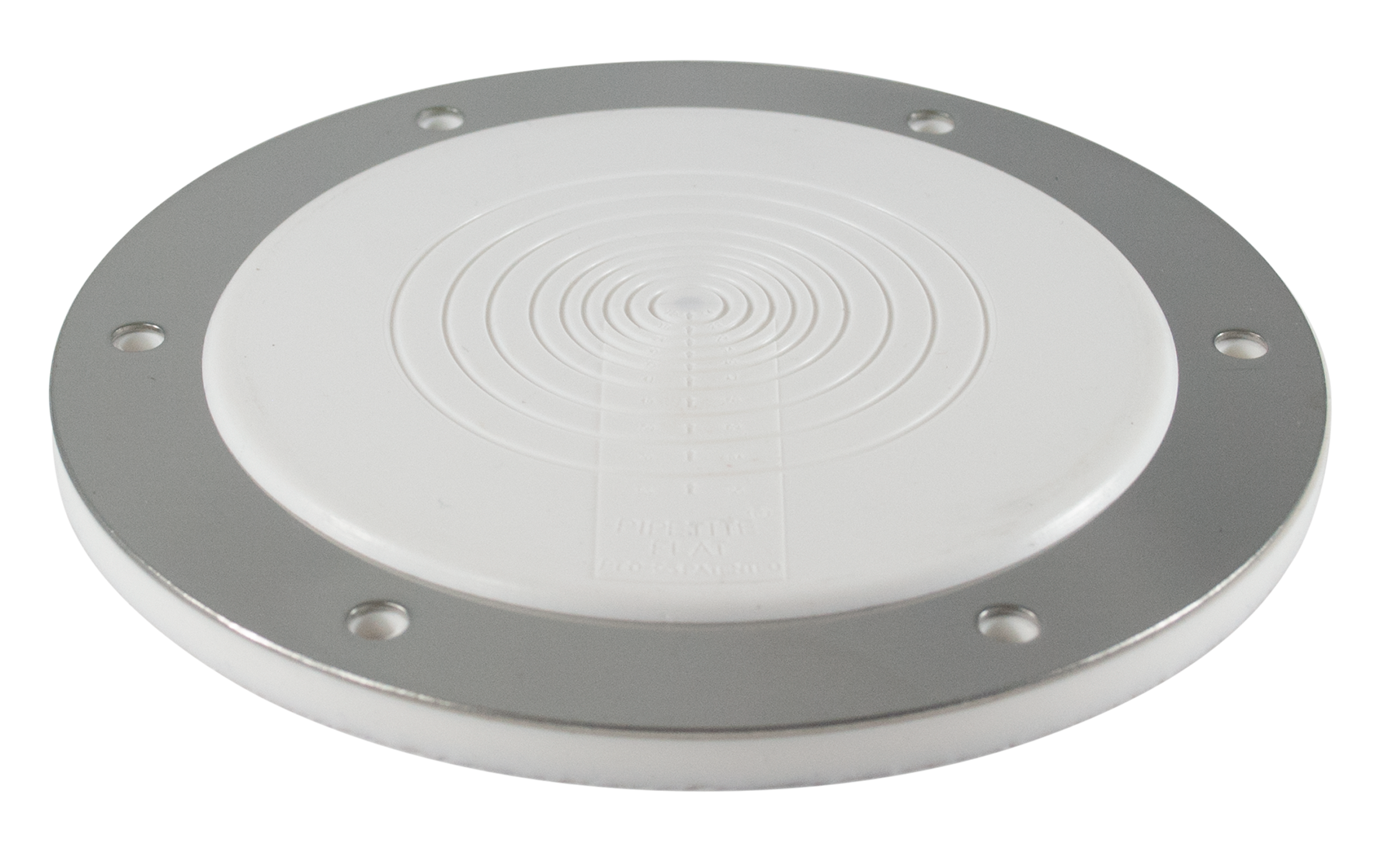
Pipetite® Flat
Best for:
- Custom fabrication
- Non-standard penetrations
Why it works:
- Allows field customization
- Useful where standard boot geometry doesn't fit
Contractor Takeaway
For a deeper dive into strategies for sealing wall penetrations, review our detailed guide. You can also explore sealing strategies, escutcheon plates, and understand the problem with escutcheons in hygienic environments.
For application-specific guidance, see our article on top 10 piping applications that require a sanitary seal.

The cleanest way to standardize installs across a project is Pipetite®.
New pipe penetration: Standard Pipetite®
Existing pipe: ReBoot
Sleeved penetration: Sleeve Boot
Sleeved retrofit: Sleeve ReBoot
Small lines: Grommets
Multiple lines: Multi Grommet
Build It Right the First Time
Most penetration issues come from inconsistency—not complexity. Standardizing with the right Pipetite® configuration reduces rework, speeds up installs, and simplifies inspection.
Access additional technical documentation in the Pipetite®resource library.
Avoid Rework and Pass Inspection Faster
Use purpose-built hygienic sealing solutions designed for real jobsite conditions.
Learn more about Pipetite® productsABOUT CSI
Central States Industrial Equipment (CSI) is a leader in distribution of hygienic pipe, valves, fittings, pumps, heat exchangers, and MRO supplies for hygienic industrial processors, with four distribution facilities across the U.S. CSI also provides detail design and execution for hygienic process systems in the food, dairy, beverage, pharmaceutical, biotechnology, and personal care industries. Specializing in process piping, system start-ups, and cleaning systems, CSI leverages technology, intellectual property, and industry expertise to deliver solutions to processing problems. More information can be found at www.csidesigns.com.